

Used & salvage
The part is still out there, on a car exactly like yours
A new part does not exist for every car. Once a model stops being built, the panels, the lights, the trim and the interior stop being made years before the cars stop being driven — and then the only honest place to find one is a vehicle just like yours that is not going back on the road.
That is what this is. Cars written off for damage in one place are still perfect everywhere else, and we pull from them: engines and gearboxes, doors, tailgates, bumpers and wings, headlights, mirrors, seats, dashboards, wheels and the small trim pieces nobody stocks. Vintage and discontinued models included — those are usually the ones worth asking about.
How a request works
You tell us the car and the part
Year, make, model and engine, and what you need. A photograph of the old part helps more than any description — the shape settles what a part number cannot.
We go and look
A person searches the salvage network for that exact part on that exact vehicle. It takes as long as it takes; nothing is charged while it happens.
You see it before you pay
Photographs of the actual part, the donor vehicle it came off, the condition including the marks, and a price. If it is not right, we say so.
What comes off a car
The same departments the shop is organised by. If the new part is listed we will point you at it — it is usually the better buy — and if it is not, this is the route we take instead.
The kind of vehicles parts come off
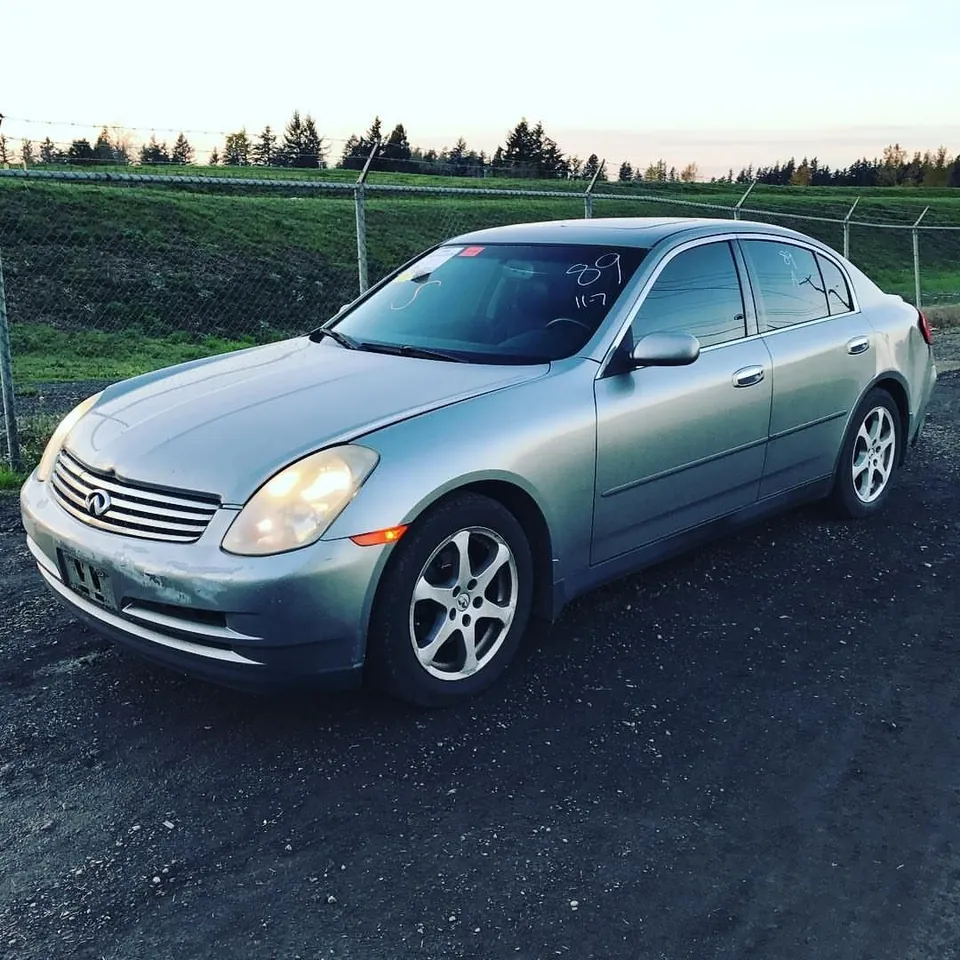
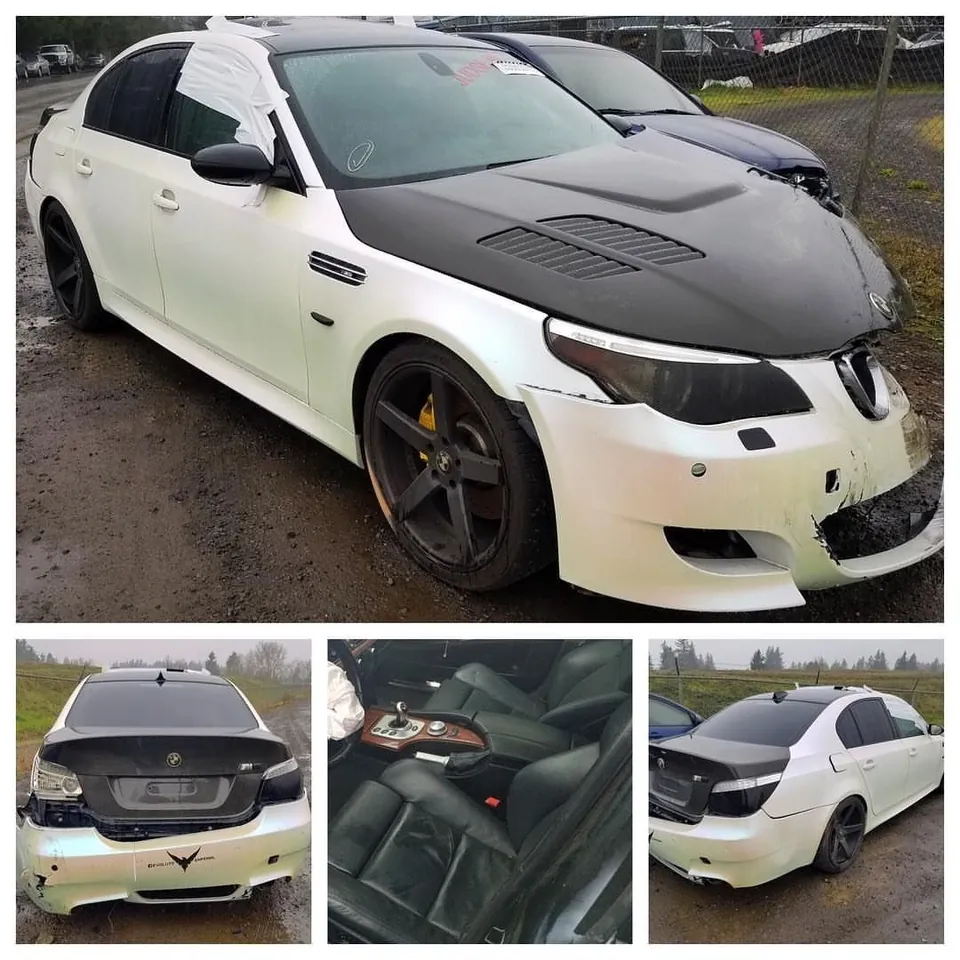
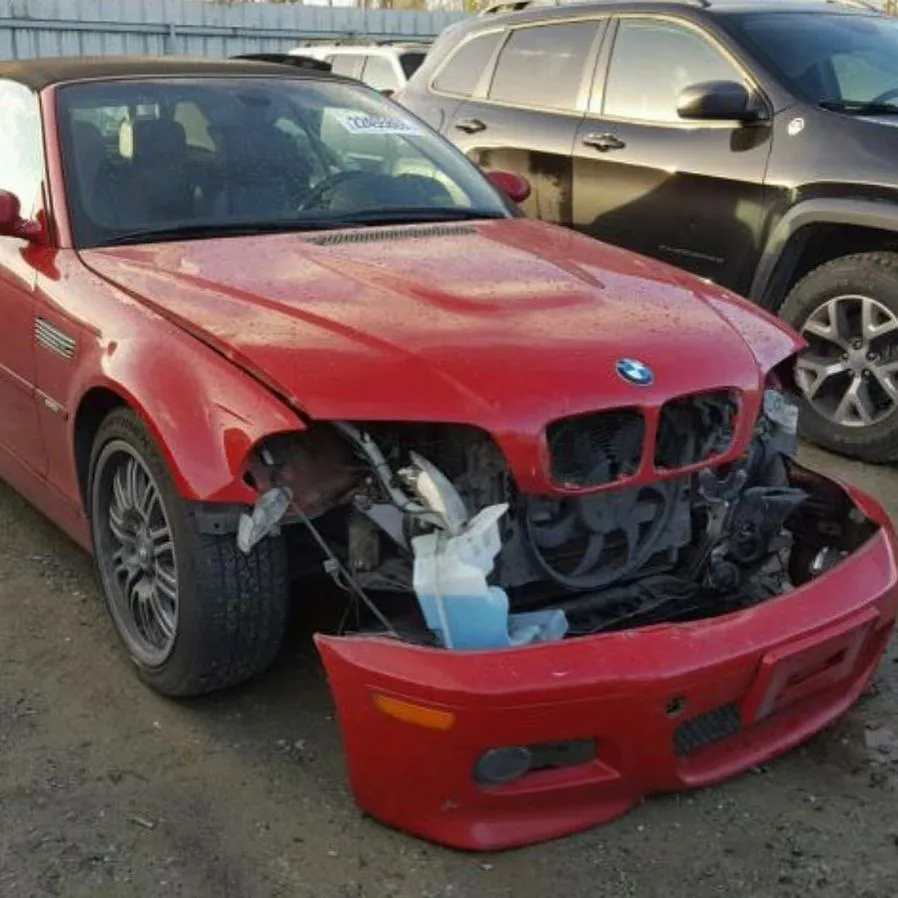
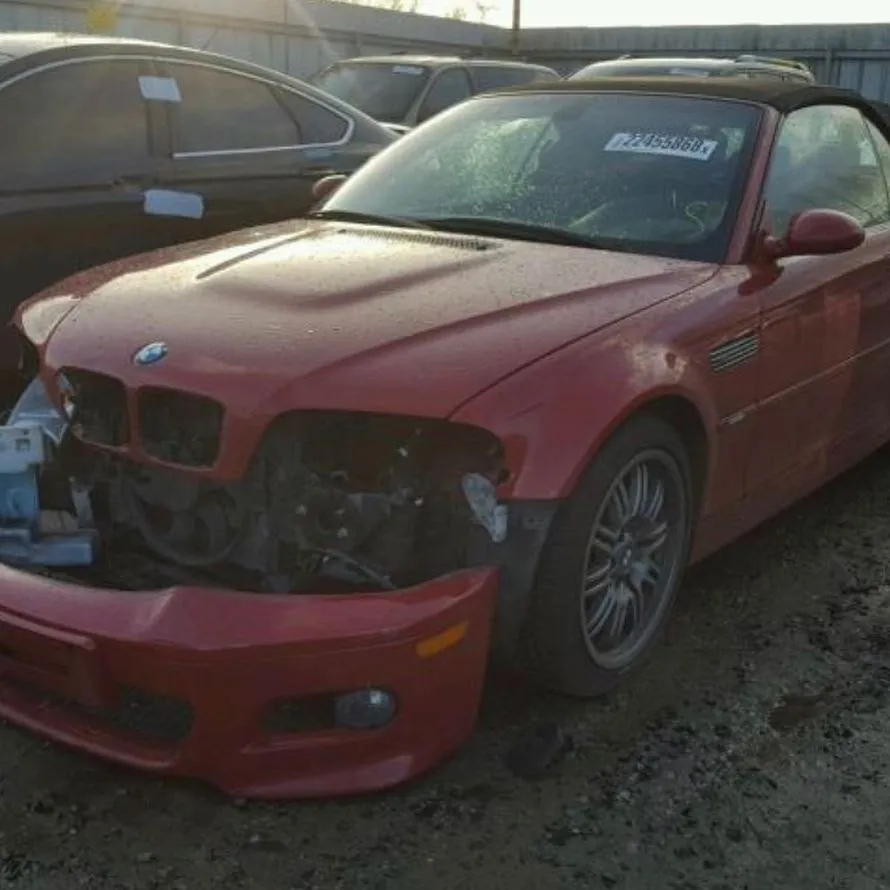
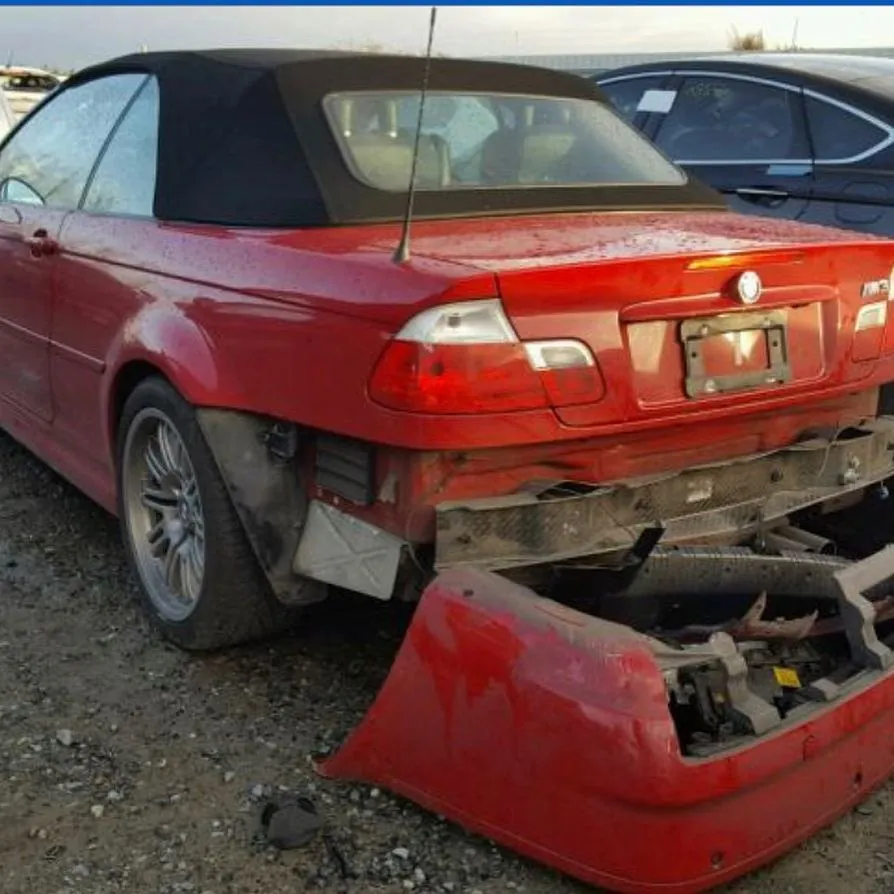
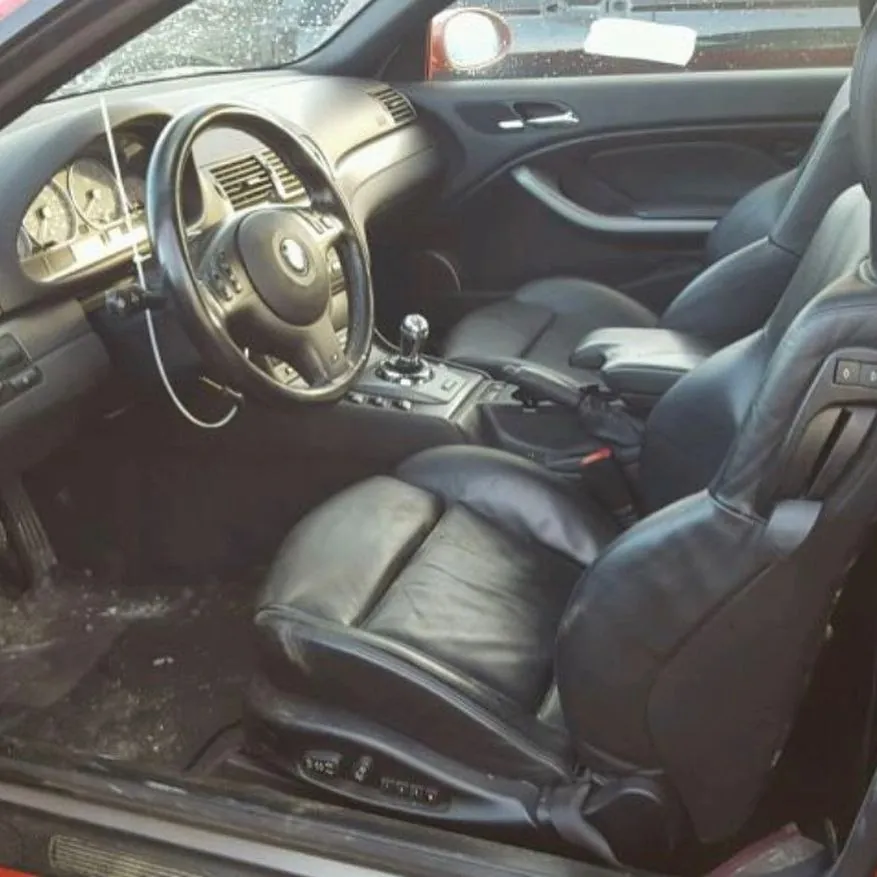
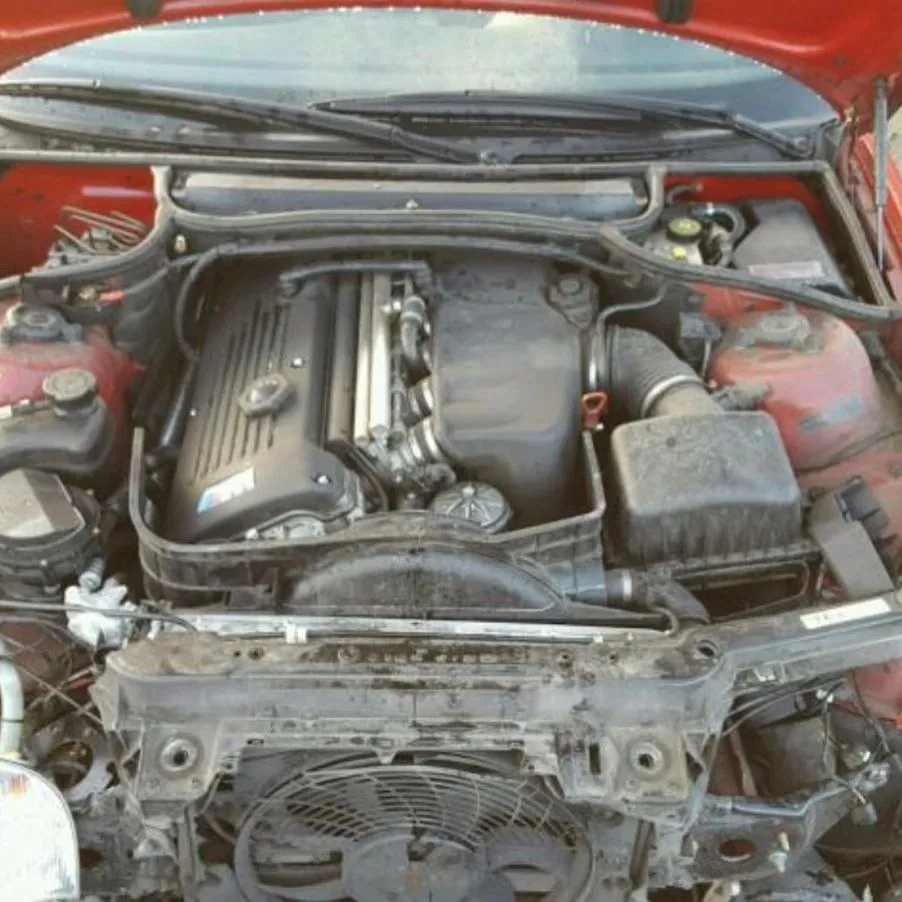
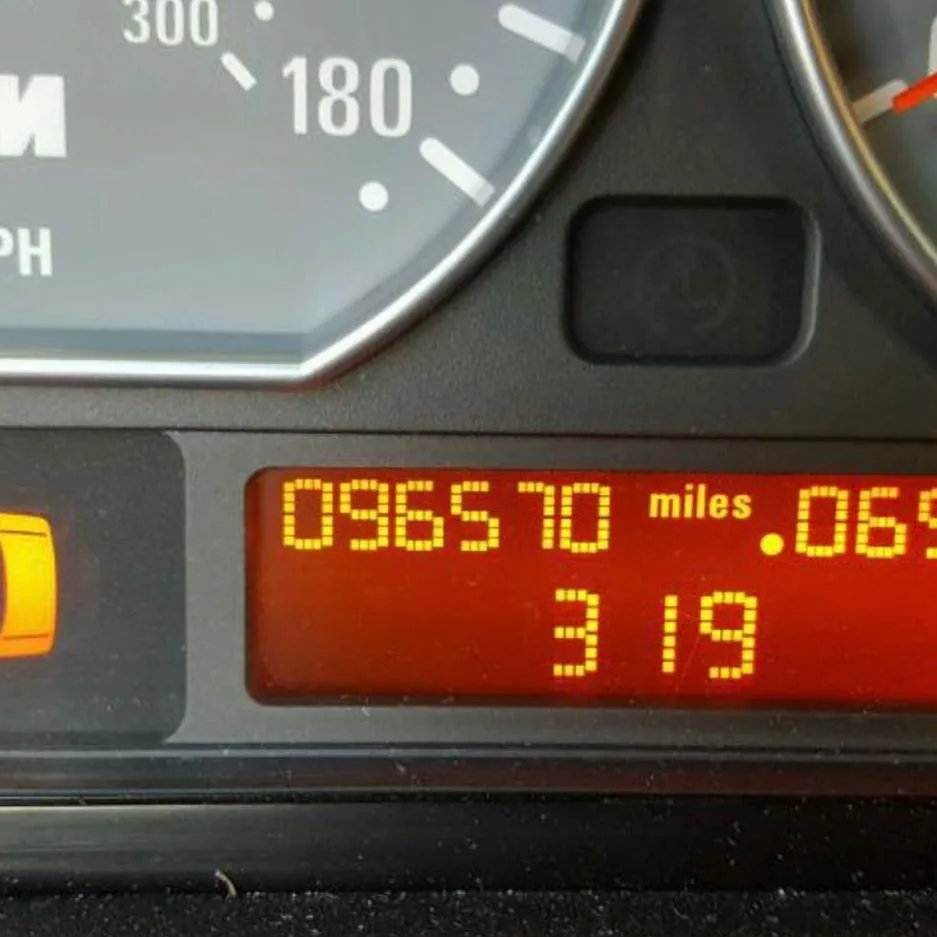
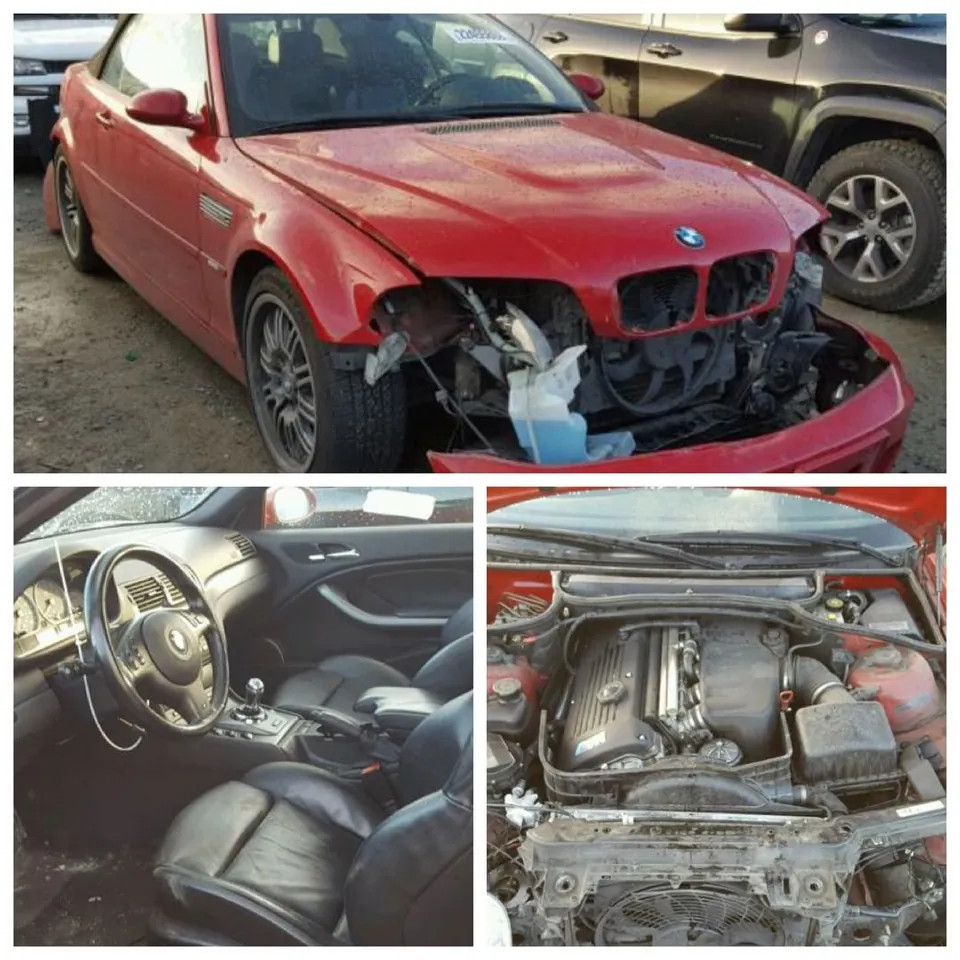
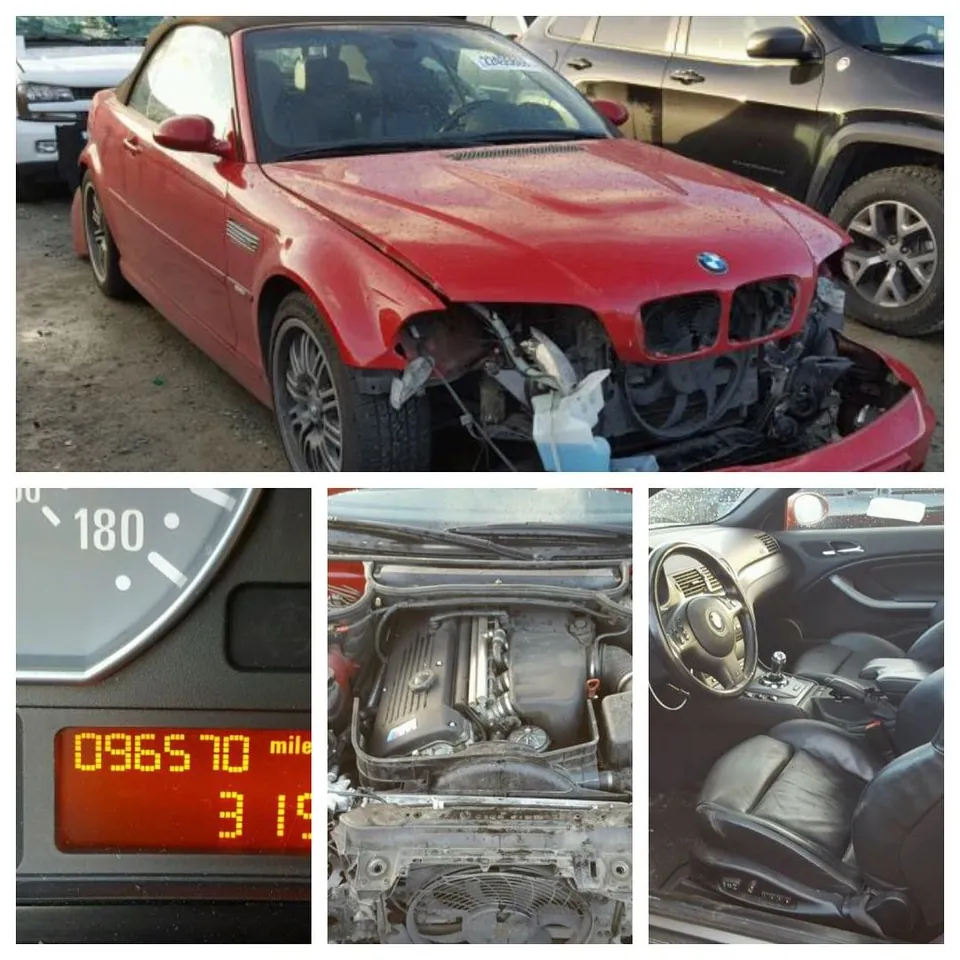
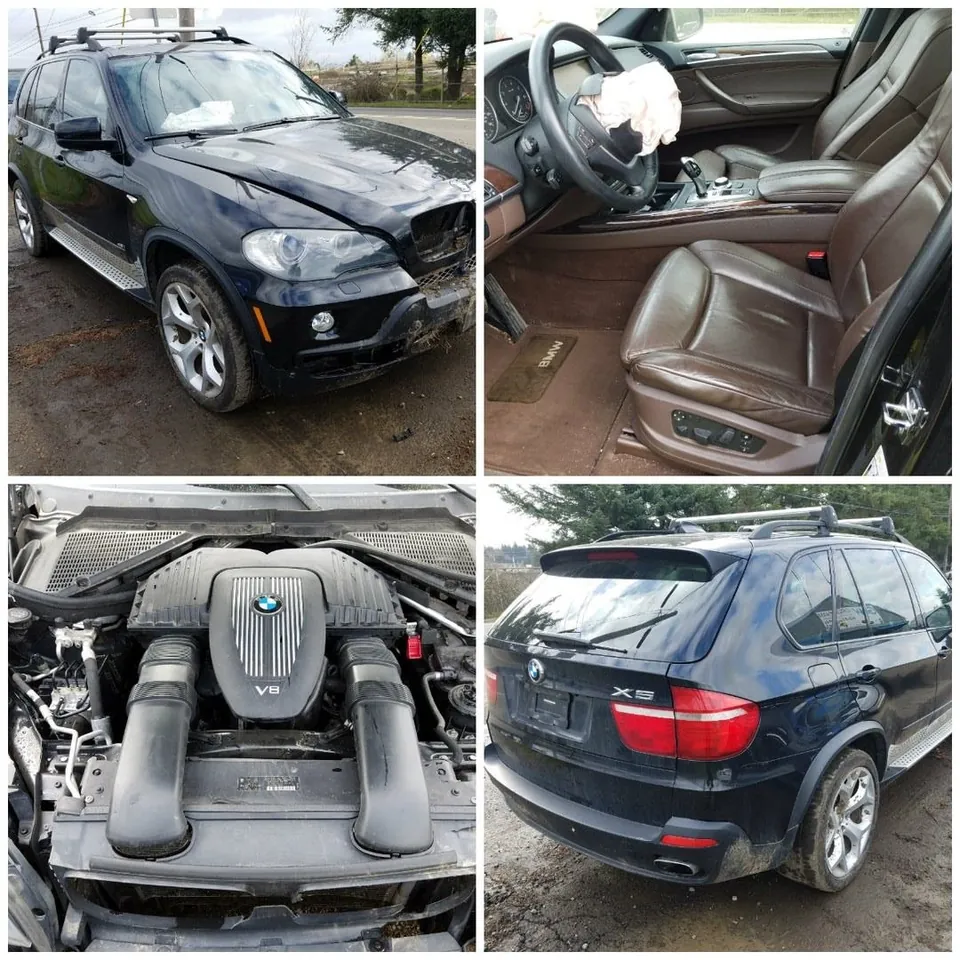
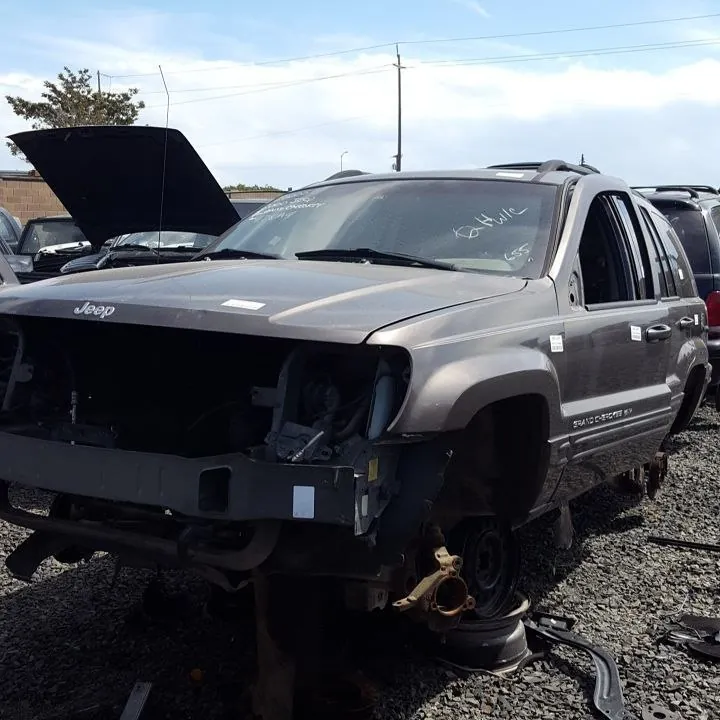
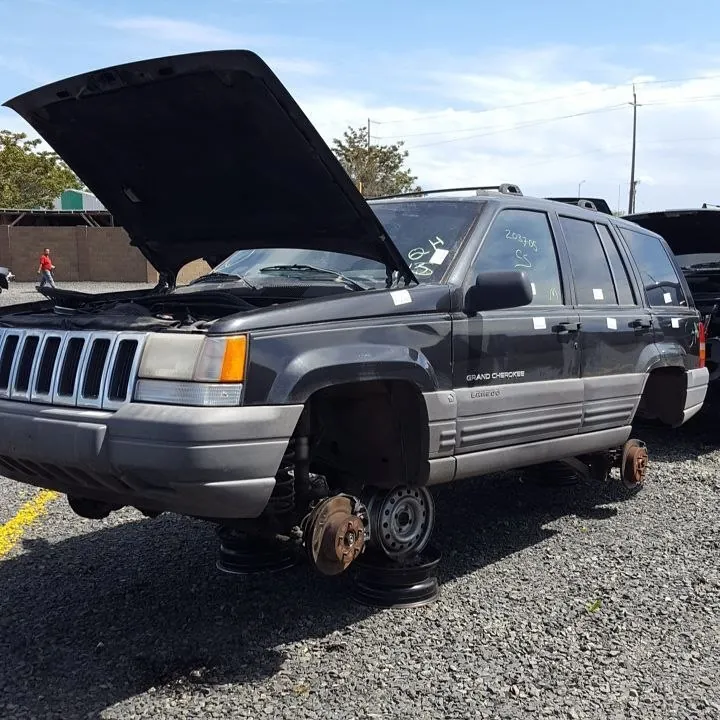
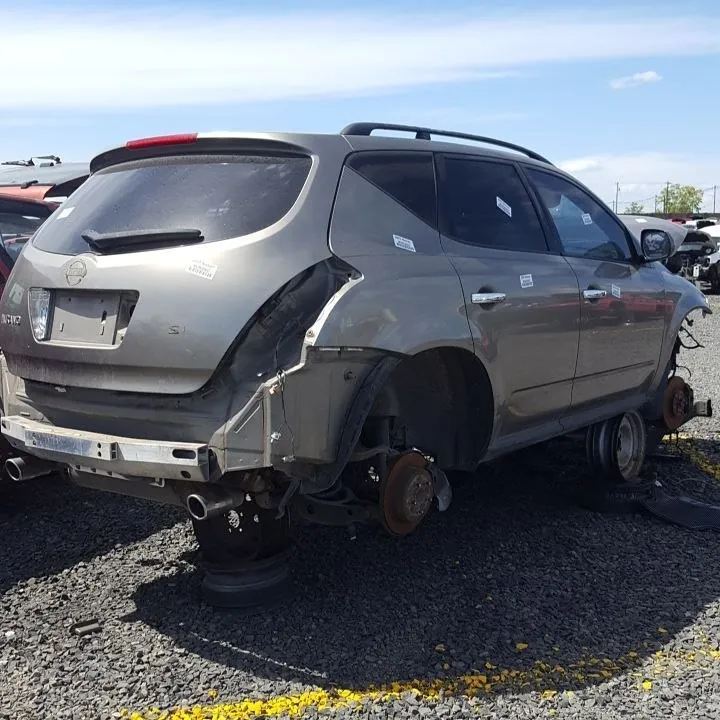
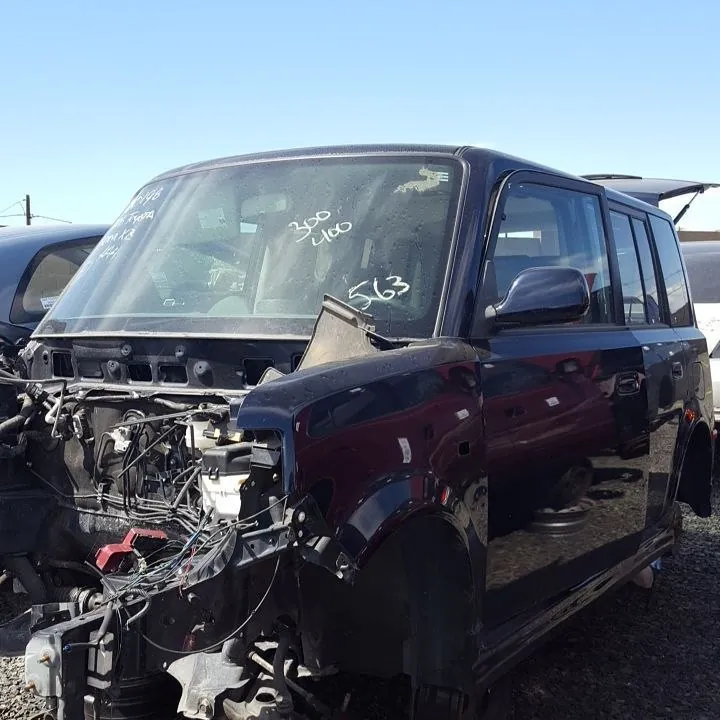
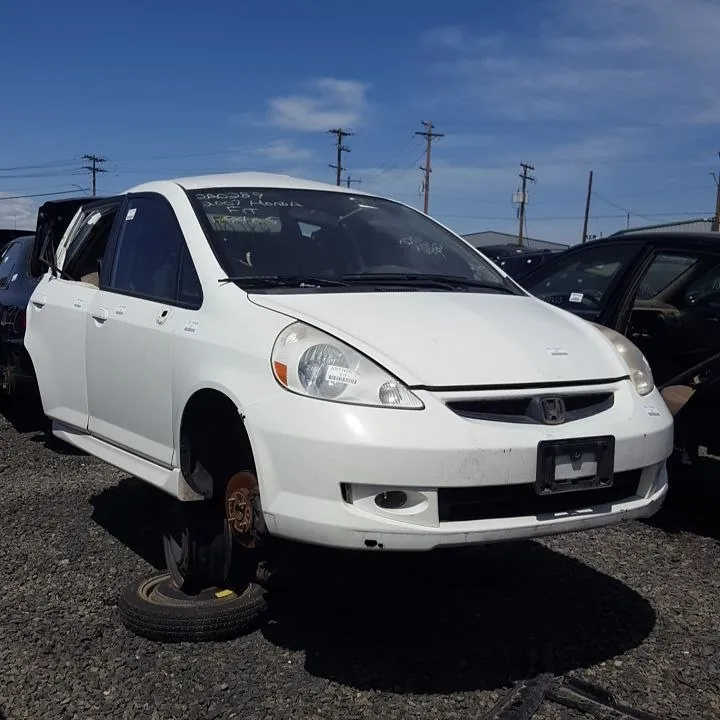
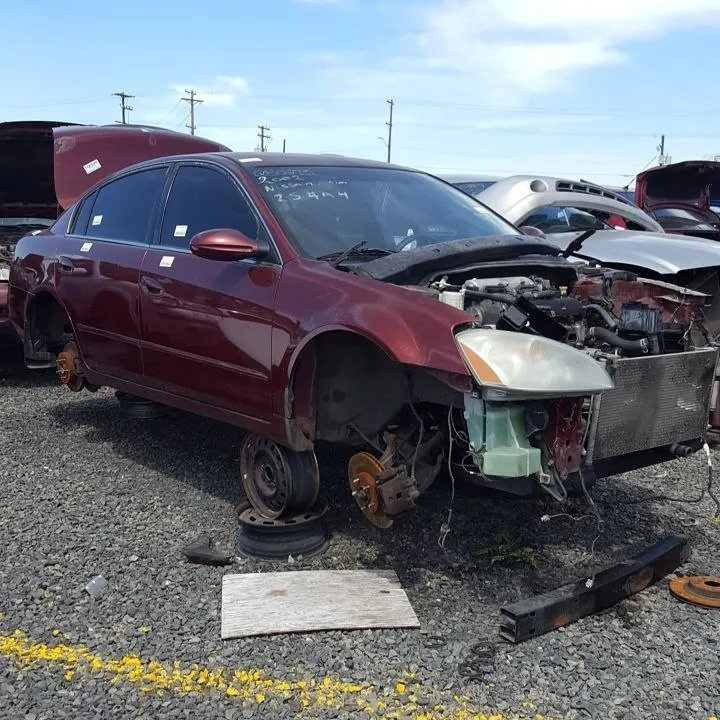
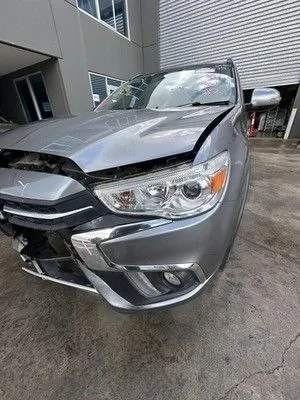
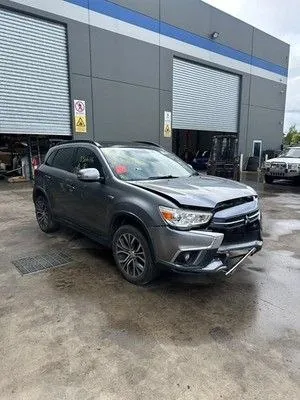
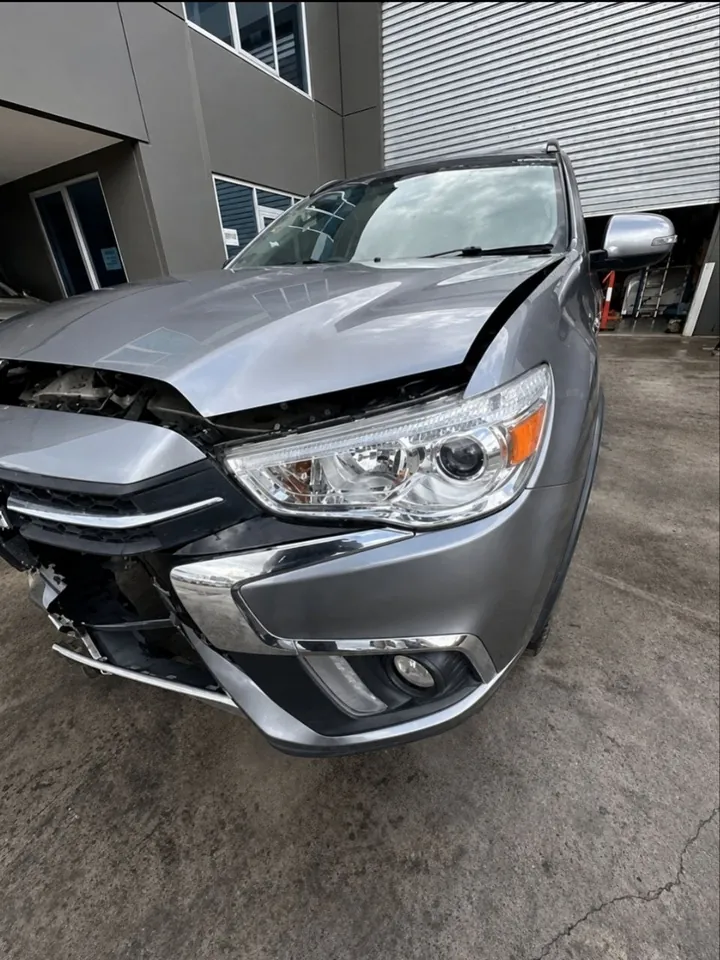
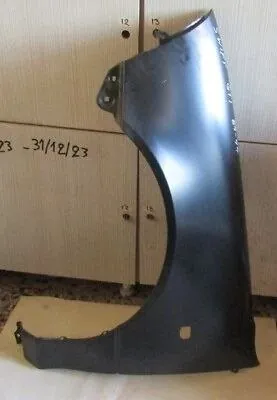
Examples, not a stock list. Salvage turns over daily, so what is in these photographs is not what is on a shelf — they are here to show the condition parts are recovered from and the range of vehicles that pass through. Ask for your car by name and we go and look for it.
Worth buying used
- Body panels — doors, tailgates, bonnets, wings and bumpers, where new is expensive and often not made any more.
- Lights and mirrors, which are priced as assemblies new and are routinely undamaged on a car written off at the other end.
- Interiors — seats, dashboards, trim, switches and the small clips that are never sold separately.
- Engines, gearboxes and differentials, quoted with the donor vehicle’s recorded mileage.
- Wheels, and glass that is not laminated to a sensor.
We will tell you to buy new
Some things should not be bought second-hand and we would rather say so than take the order. Anything that wears out by design — brake pads and discs, filters, belts, clutches — is cheaper new than the labour of fitting a used one twice. Anything that has done its job once and cannot do it again, like airbags, seatbelt pretensioners and crash structure, we do not sell used at all.
If you ask us for one of those, the answer will be a link to the new one in the shop, not a quote.
Questions people ask
- Do you have parts for older and vintage cars?
- Yes, and they are usually the reason to ask. Once a model is out of production the manufacturer stops making its body panels, trim and interior parts long before the cars stop being driven. A part that is no longer available new is still on every one of those cars in a yard, so tell us the year, make, model and the part, and we go and look.
- How do I ask for a part you have not listed?
- Send the year, make, model and engine, the part you need, and a photograph of the old one if you can take one. A person searches the salvage network for it, and comes back to you with what was found, photographs of the actual part, the condition and a price. Nothing is charged while that is happening.
- How do I know the part is the right one before I pay?
- You see it first. We send photographs of the specific part that would be shipped to you, with the donor vehicle's year, make, model and engine, and where relevant the part number stamped on it. If it does not match what your car needs, we say so rather than sending it.
- What condition are used parts in?
- They come off vehicles that were written off, and the reason a car is written off is usually damage in one place and an insurance sum that is not worth repairing. A car with a destroyed front end still has a perfect tailgate, and its engine may have thirty thousand miles on it. We describe the wear honestly and photograph it, including the marks.
- Are used parts cheaper than new?
- Usually, and on body panels, lights, interior trim and glass the difference is large. On parts that wear out by design — brake pads, filters, belts — new is both cheaper and better, and we will tell you that rather than sell you a used one.
Worth reading first
Knowing which part you actually need is most of the job, and it is the part a salvage search cannot do for you.
- EV and hybrid48-volt mild hybrids: what the belt starter generator doesIt replaced the alternator with a motor and made the accessory belt load-bearing in both directions. What a belt starter generator does, and how it fails.
- Electrics and electronicsADAS calibration: when it is needed, and static versus dynamicA windshield, a bumper, an alignment or a mirror can put a camera or radar out of aim. No warning light is not proof: a degree of error is metres at range.
- Steering and suspensionAir suspension: repair it, or convert to coil springs?A leaking bag kills the compressor, so fixing the compressor first fixes nothing. What a conversion actually costs you, and when it is the right call.
- Engine and fuelCarbon on direct-injection intake valves: why it happensPort injection washed the intake valves with fuel. Direct injection does not, so oil vapour bakes onto them instead. What actually removes it and what cannot.
Cannot see your car? That is the normal case.
These photographs are twenty-one vehicles out of a network that changes every day. The way to find out whether your part is available is to ask for it by name — year, make, model, engine and the part — and let a person go and look.
Ask us to find it